

Often, when you visit an exhibition or scroll through designs online, you find yourself searching for the creator, because the style doesn’t instantly grab you.
But Bobby “Fuse” Green work stops you in your tracks - it’s iconic at first sight. His art shines through bold, unique colors, distinct brushstrokes, and layers of meaning that invite the viewer to pause, reflect, and think twice.
This is a trait rooted in graffiti culture - the idea of embedding hidden messages, often for fellow artists, a practice that existed long before social media transformed how we experience art.
Along with the full interview Bobby Green Fuse has put together a full playlist for us with the tracks that has made a big impact on his musical taste & inspiration when he’s creating art in his daily life which you can find down below.
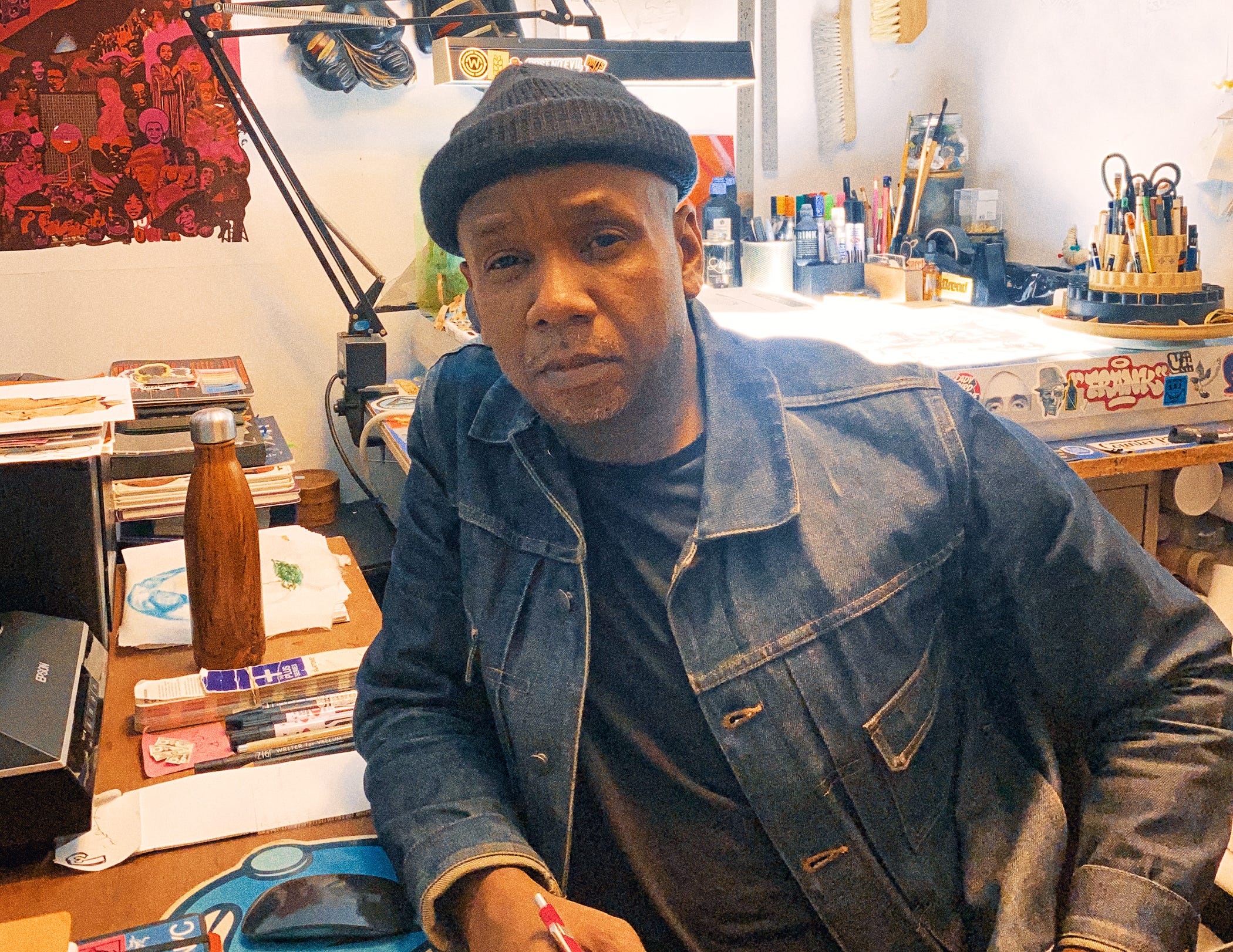
Bobby “Fuse” is a Brooklyn-based artist and designer whose work sits right at the intersection of music, culture, and storytelling. Growing up in High Point, North Carolina, he was deep into records, cover art, and graffiti - stuff that shaped his whole visual language early on. By high school he was already running a small design hustle and doing political cartoons for local papers.
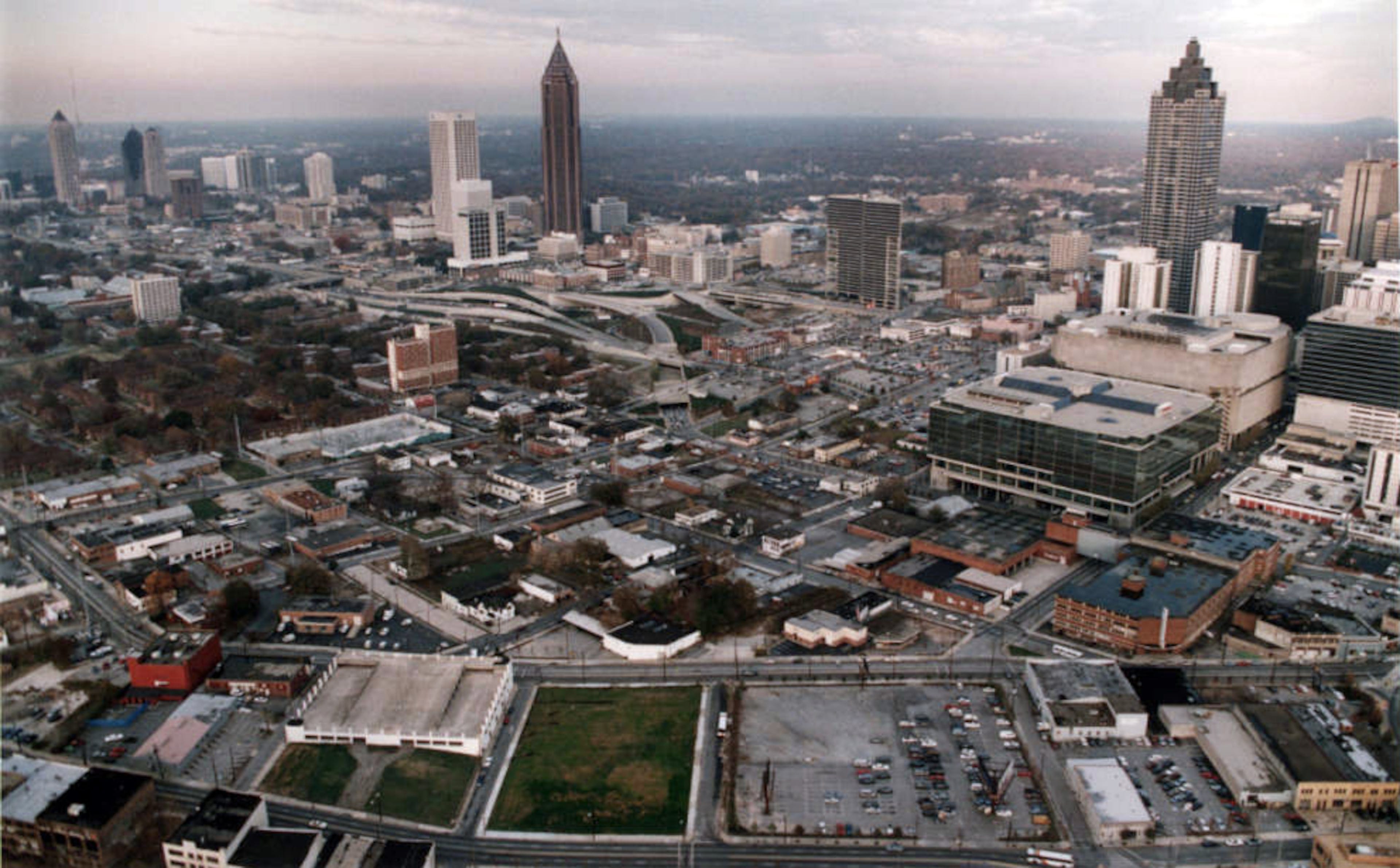
He moved to Atlanta in ’93 to study at the Art Institute and really sharpened his print and production skills. The name “Fuse” came out of that era too - a blend of his love for music and art. Through the ’90s he linked up with key Atlanta creatives like DJ Drama, Sol Messiah, Donnie, Lil’ John & The Chronicle, and The Funk Jazz Cafe. He also played an important part in the early days of Frank 151 as their first art director.
Bobby’s work isn’t just seen - it’s felt. It reminds us that art can challenge, inspire, and connect, all at once in daily life which we might need now more than ever.
I can imagine Fuse drew his earliest inspiration growing up in High Point, North Carolina, bold advertising stretched across brick walls in the ’80s - weathered, chipped, and almost falling apart - was a daily sight.
That raw, working-city texture created a kind of visual playground, giving him pieces to fuse together long before music and design became part of his world.
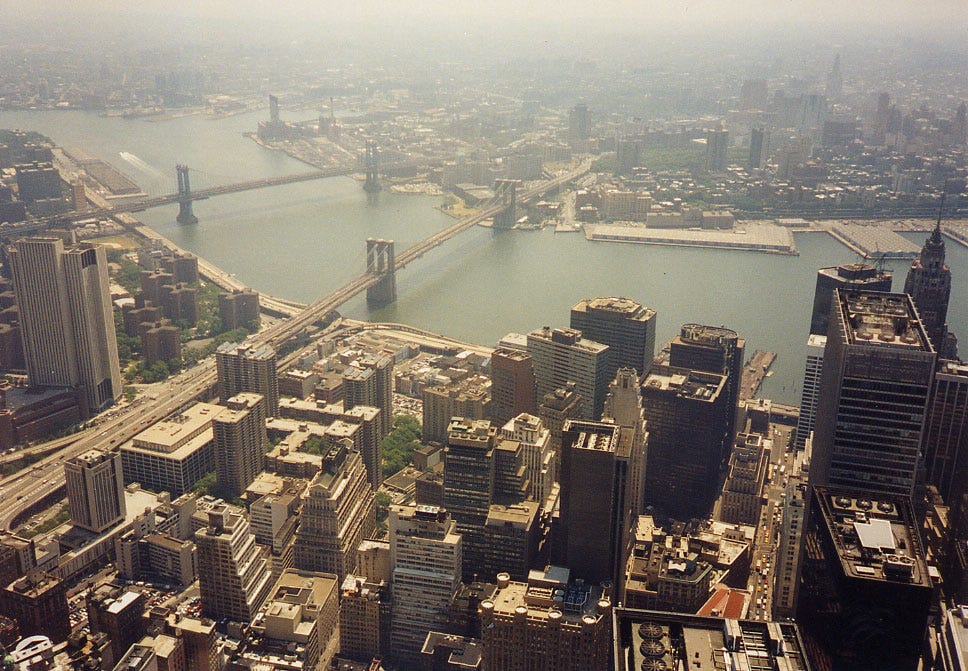
By ’99 he landed in NYC, joining Marc Eckō’s team as an art director, which opened the door to projects with PNB Nation, Akademiks, Scion, Ride Snowboards, and many more.
In 2003 he launched his own brand, Wheat Bread Life, as a home for his design and print work. Fuse later designed for Al Gore’s Current TV (including their animated mascot), worked on Melvin Van Peebles’ Off-Broadway production, contributed to Master of the Mix, held a senior design role at Jay-Z’s iconic Rocawear, and collaborated with names like Spike Lee, 9th Wonder, Staple, Undefeated, Wu-Tang Brand, and JBL.
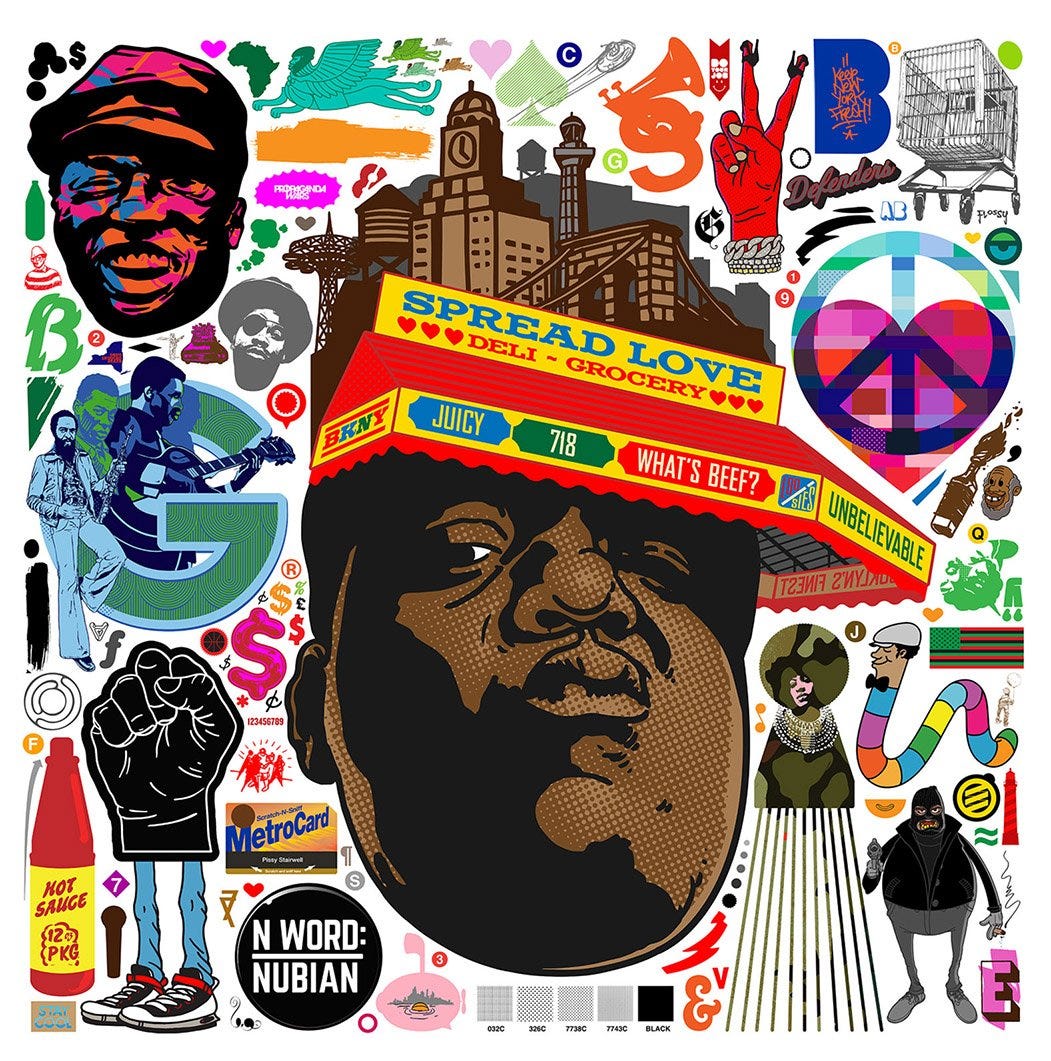
Nike and Jordan Brand brought him in as the featured artist for the 2013 Black History Month collection. He’s also designed album covers for Pete Rock, DJ Spinna, Yasiin Bey, and tour merch for Maroon 5. From 2020–2023 he served as creative director for Spike Lee’s brand, Spike’s Joint.
Looking back at your earliest work, what drew you to visual storytelling? Was it the city around you, music, graffiti, or something else?
It was all of the above so I’ll try to make a long story short.
The music had my attention first at and early age and I was deep into the cover art. Parliament Funkadelic was a big thing in my house and I was especially fascinated by their covers. Listening to their music while looking at the album cover was like a sing-along book. It made so much sense that the art and music matched so well.
My mother also played a lot of Richard Pryor and his stories were funny and familiar. His characters were just like all of the people around me - wino, junkie, preacher, “Mudbone”. I have versions of each those types in a lot my work through the years.
I also was really into Mad Magazine, comics, and too many cartoons to name. Like most kids I learned how to draw from copying comics but the humor in my early drawings was all mine.
I grew up in High Point, N.C in the ’70s and ’80s and Hip Hop became THE main thing that stimulated my imagination. For a while the only station that played new Hip Hop was on a.m. radio. As more of the culture started to show up in television and movies it opened me up to the broader culture and graffiti.
There were some older kids in my neighborhood - a few from New York - that formed a crew I looked up to and wanted to be down so bad. Everyone was breaking, deejaying, and emceeing but no one around me embraced the visual side of Hip Hop. Probably because it was highly illegal and seen mostly as a trains only in New York thing then.
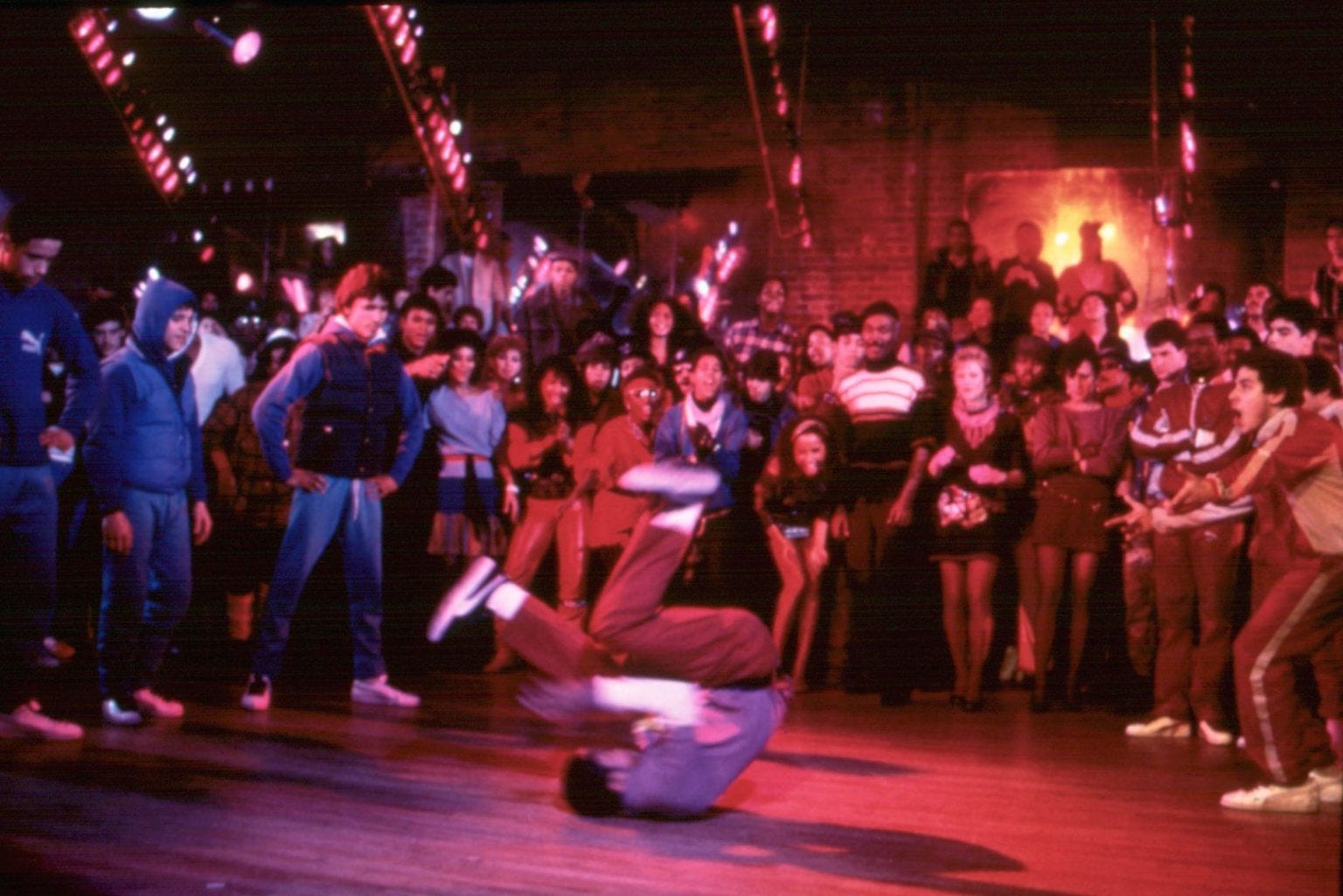
1984 was a tipping point year for me at 10 years old when I saw Beat Street in the theater and something clicked in my brain. I saw the clear image of what I wanted to be - a combination of “Ramo” and “Double K”.
That same year I was able to go to “The Fresh Fest” as my first concert. This was historical because it was the first major Hip Hop tour and it opened next to me in Greensboro. It was the first time I saw Hip Hop on full display with thousands of people from all over decked in b-boy attire head to toe - Pumas, shell toes, fat laces, Cazals and Kangols etc.
Yo, my mind was blown and the show was insane! Until then it was difficult to understand the broad reach that Hip Hop had in my area. I soaked it all up and now had a subject of focus in the things I wanted to create.
Through this I started to understand how the purpose or intention in your work informs the style.
Could you share any images or sketches from your early days in High Point? It would be fascinating to see the start of your visual language.


How did studying in Atlanta shape your approach to print and production? Are there techniques you still carry with you today?
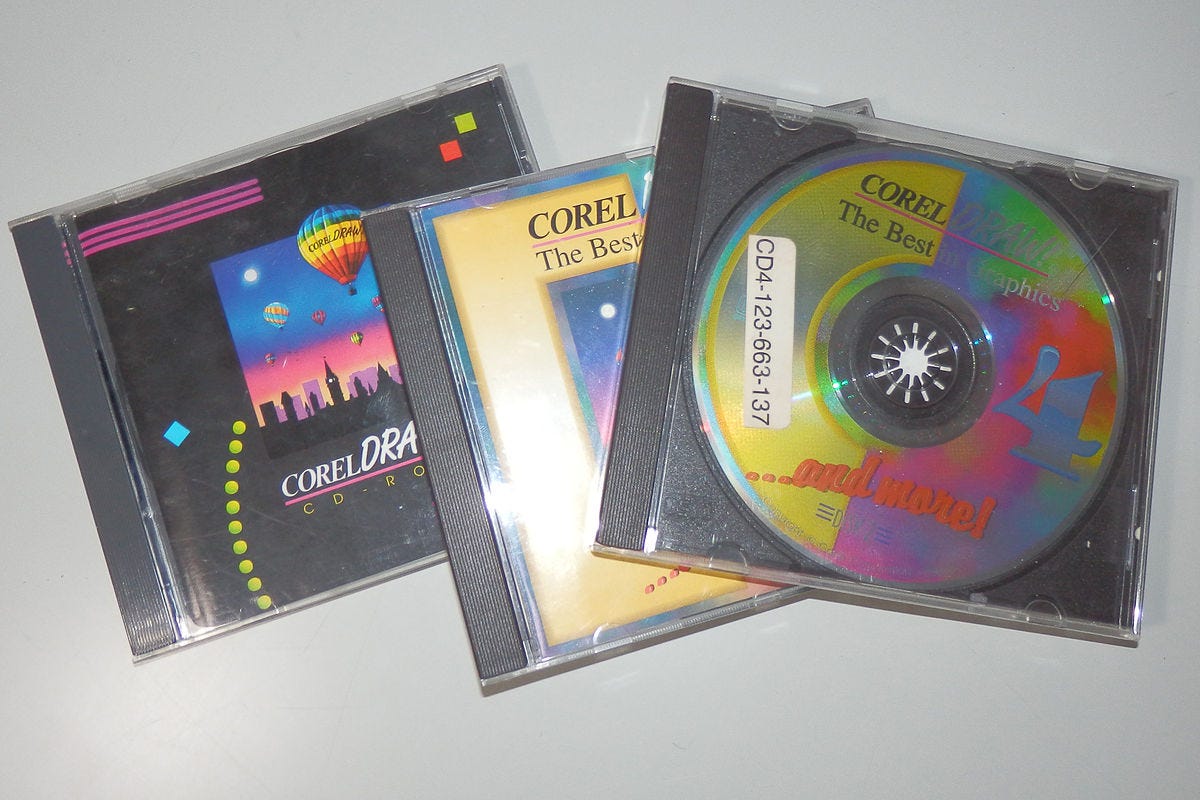
Those sign shop days helped me understand color theory and the effect of bold typography and line weight. I started using Corel Draw in early ’93 and it was pretty standard in sign shops and had simple tools for manipulating type. My good friend and fellow creator Jimmie Watford showed me the basics and I ran with it.
To describe it in music terms Corel was like the Roland 808 or E-mu SP-1200. It was relatively easy to use and Freehand, Illustrator and Photoshop were like the AKAI MPC 60. I switched to those the following year on a Macintosh.
I also developed a better sense of designing with production in mind from working on an assortment of projects during that time including signs, mixtape covers, t-shirts etc. Having started in an era of doing everything by hand using Letraset halftones, letters, and Rubylith film I’ve been able to combine those old techniques with newer digital tools.
Many of your projects bridge street culture and commercial design. How do you balance authenticity with the needs of a brand or client?
Well, what I’m offering IS authenticity. If you’re familiar with or like my work then you’ve probably already figured how my thinking will fit. Usually it takes a savvy director with a really good project to get the best results.
I’ve presented a lot of great “authentic” ideas and sometimes the client just doesn’t get it. In my experience there’s lots of reasons why but I always strive to do the best thing for the project.
Are there moments from working with artists like Yasiin Bey or Pete Rock that influenced your creative process?
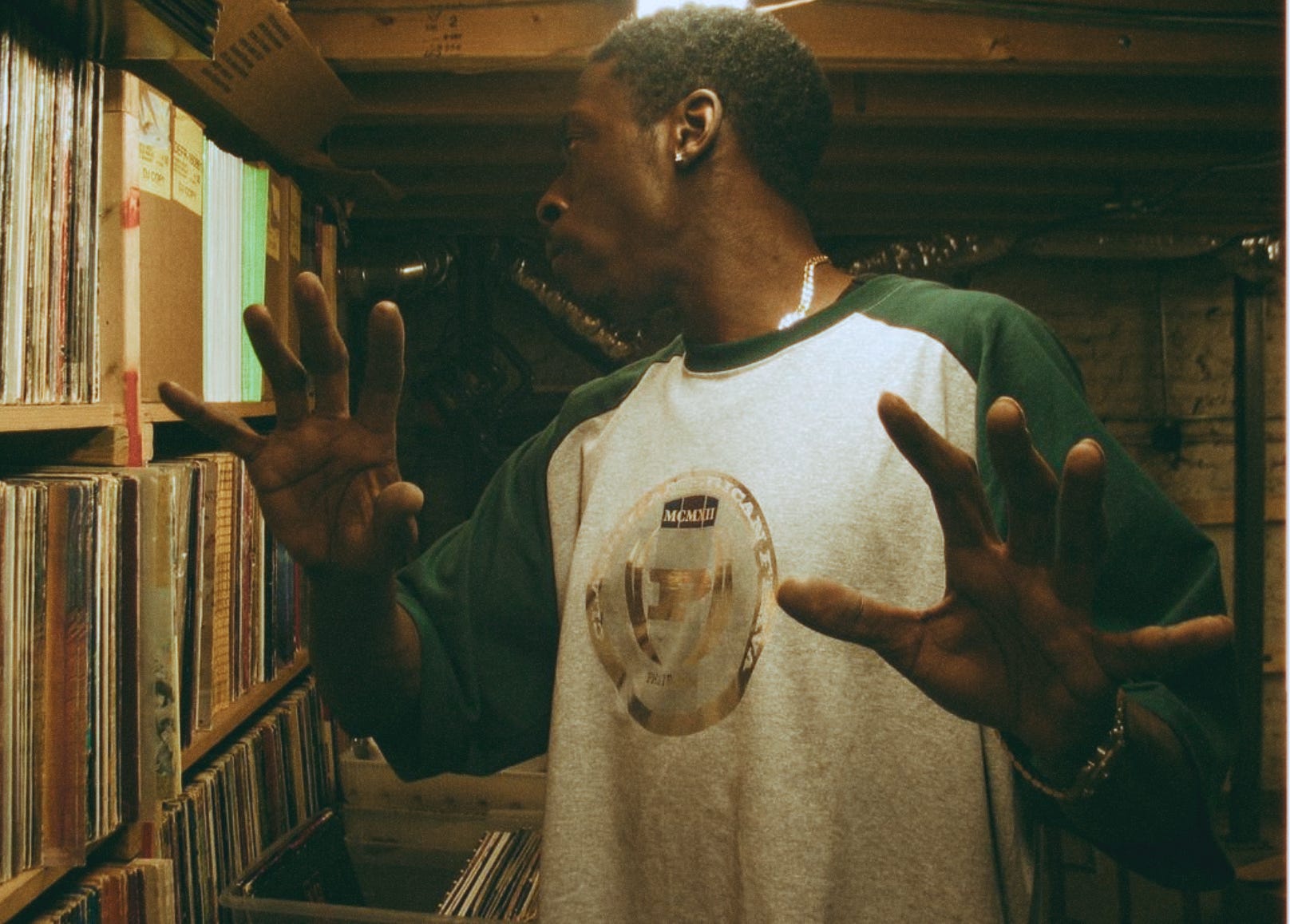
Pete Rock has an immeasurable influence on my process. We both have a passion for all things soulful and funky and I considered a lot of my work to be translations of his beats. I don’t think I have synesthesia but I find myself matching colors and images to music and his has a special affect on me. I’ve done 3 album covers officially for him along with lots of other work. On all of his projects I asked him to send me the music first to get a feeling for what it should look like.
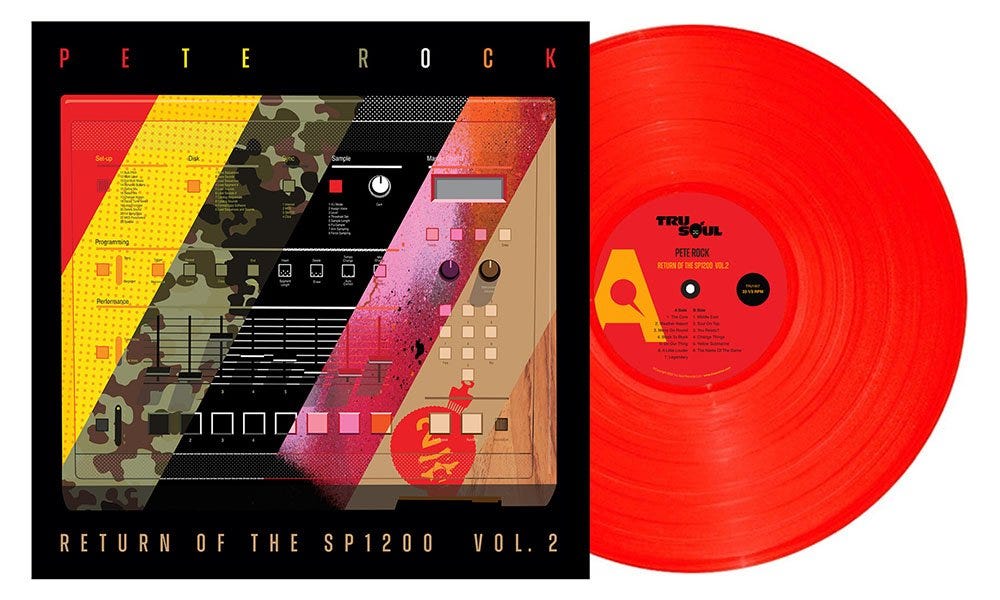
I typically do this with all artists and I’ve ended up with a lot of incredible, unreleased beats from him that I’m sworn to secrecy over. I’ve been to his house a couple of times and watched him work. He’s pure genius. He shared dozens of the original beat discs with me from songs like “The World Is Yours” and “T.R.O.Y.” There were also tons of comics and obscure books I dug through. He’s very into visuals and we probably talk more about comics and science fiction than music.
Yasin (Mos Def) and I are a kindred in the way that our subject matter is parallel. He’s one of the most gifted wordsmiths in history and I find it natural to imagine scenes from his lyrics. Although I’ve only done one record with him (Jam On It), we didn’t actually meet until later and that process was the reverse of hearing the music first.
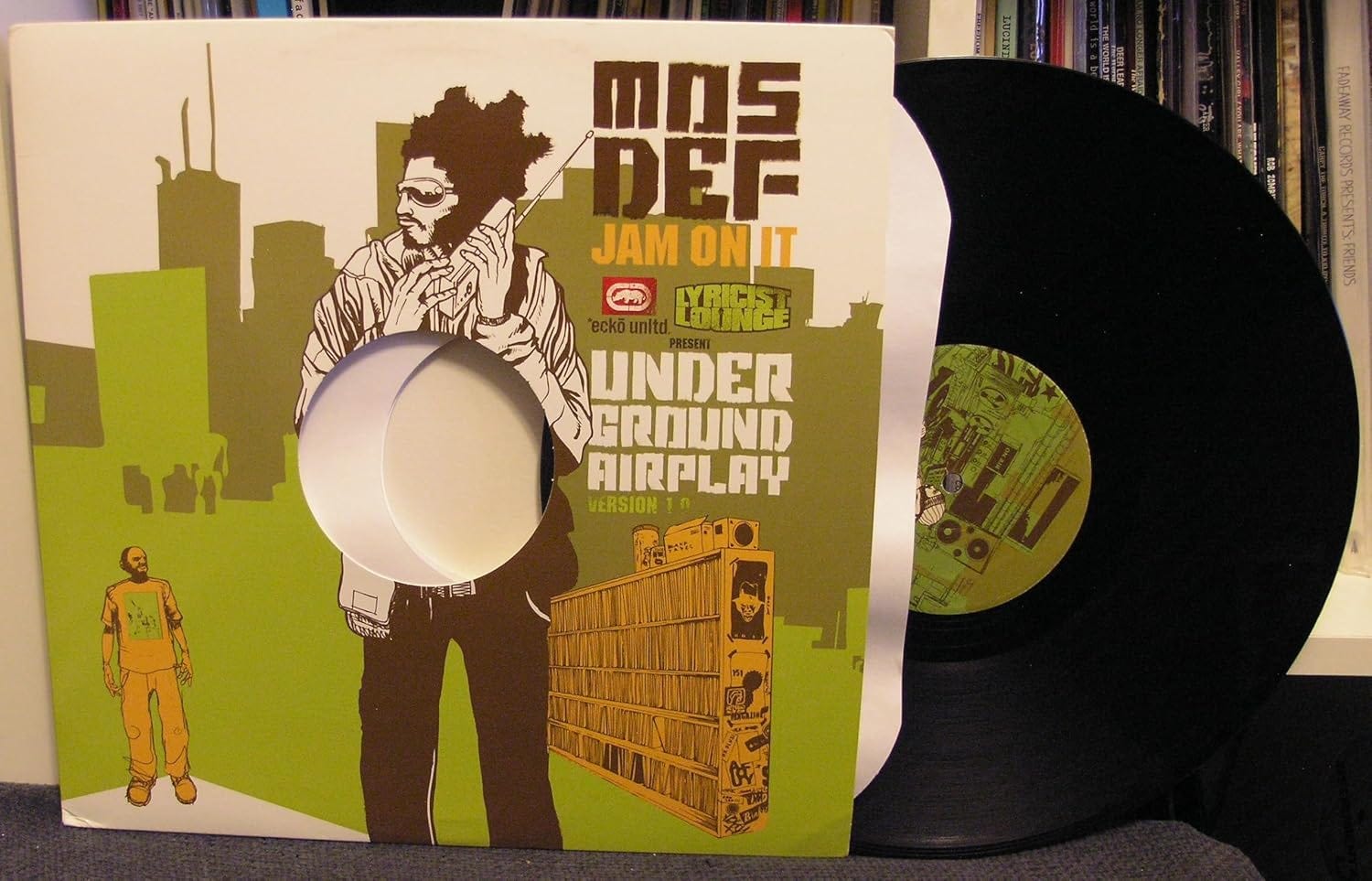
There was a more collaborative project for Converse on the table after that record that didn’t happen. We were both a part of the launch event for Al Gore’s Current TV in San Francisco where he interviewed me doing a live painting of a scene inspired by “Respiration.” Besides knowing and working with him, his music is a constant source of inspiration, living in Brooklyn.
Would you be willing to share a glimpse of your studio or workspace? Seeing where your ideas come to life would give readers a real sense of your process.


Article written by. Luciano Brougham
Published through the Ninetofive® 2025
Follow us on Spotify & experience Fuse’s selection.
Follow Bobby “Fuse” Green
Instagram
Website
Tracklist
1. Alice Coltrane - Journey in Satchidananda (feat. Pharoah Sanders)
2. The J.B.’s - My Brother
3. War - City County City
4. Roy Ayers - The Black Five
5. Ramp - Come Into Knowledge
6. Marvin Gaye - Time
7. Twilight 22 - Electric Kingdom
8. The Bizzie Boyz - Dropping It
9. A Tribe Called Quest - Jazz
10. De La Soul - Sh.Fe.MC’s (feat. A Tribe Called Quest)
11. Big Daddy Kane - Nuff Respect
12. Digable Planets - Black Ego
13. Gang Starr - Mostly The Voice
14. Peven Everett - Gabrielle
15. Outkast - Liberation
16. Black Star - Little Brother
17. Yesterday’s New Quintet - Too High
18. Roots Manuva - Witness Dub
19. Little Brother - Atari 2600
20. Moonstar - UAM UAM
21. The Souljazz Orchestra - Satellites in Orbit
22. DJ Spinna & Liza Fields - Could It Be Too Soon
23. Sabrina Malheiros - Estacao Verao (Kenny Dope Remix)
24. Robert Glasper Experiment - Afro Blue (9th Wonder’s Blue Light Basement Remix)
25. Mateo Senolia - Baldwin (Yoruba Soul Mix)
26. Chris Rob - Touch the Sky (Darryl James Extended Altra Mix)
27. Freddie Gibbs & Madlib - Education (feat. Yasiin Bey & Black Thought)
28. Kendrick Lamar & SZA - Luther
29. Pete Rock - Middle East - Return Of The Sp1200 Vol. 2
30. Lil Yachty - the BLACK seminole.